Your first task on the road to mushroom cultivation is to purchase, beg, borrow or commandeer each of the items on this list — or the closest approximation possible. The full kit amounts to about $600 USD and will last you for many grow cycles. Need a more affordable alternative? Check out the “Broke Boi TEK” guide.
Tick items off as you gather them — saved on this device.
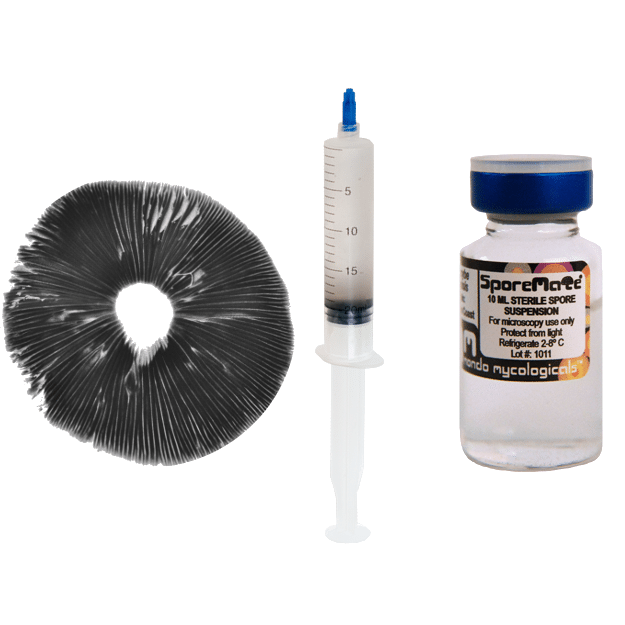
Spore syringes or spore prints
The stars of the show. Spores come as syringes in sterile water solution, or as prints on aluminium foil. Verify the legal status in your area before purchasing.
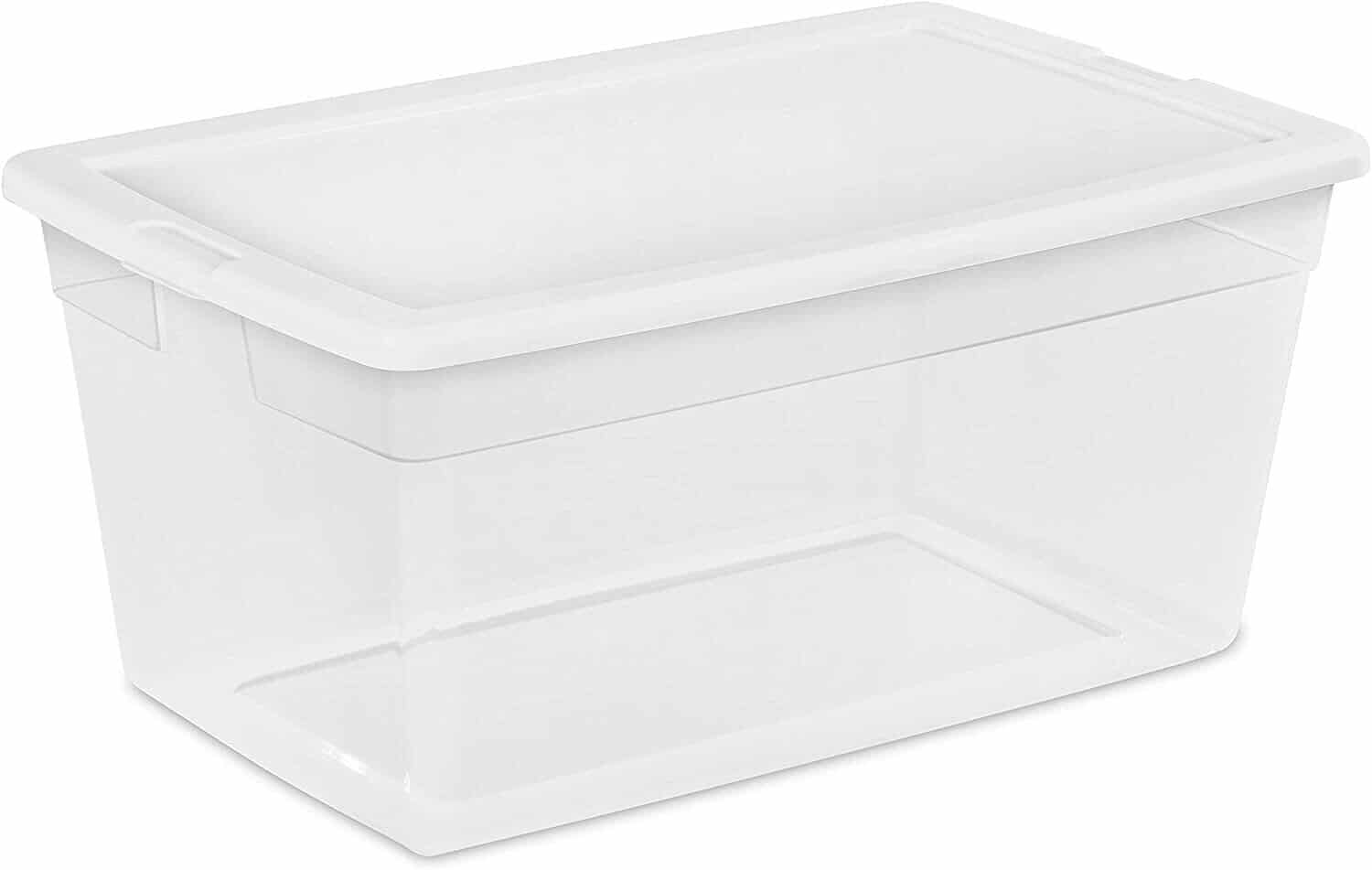
80–100 qt clear plastic storage box
Provides space and protection for every step that requires cleanliness. Make sure the plastic is clear — you'll cut two holes for your hands.
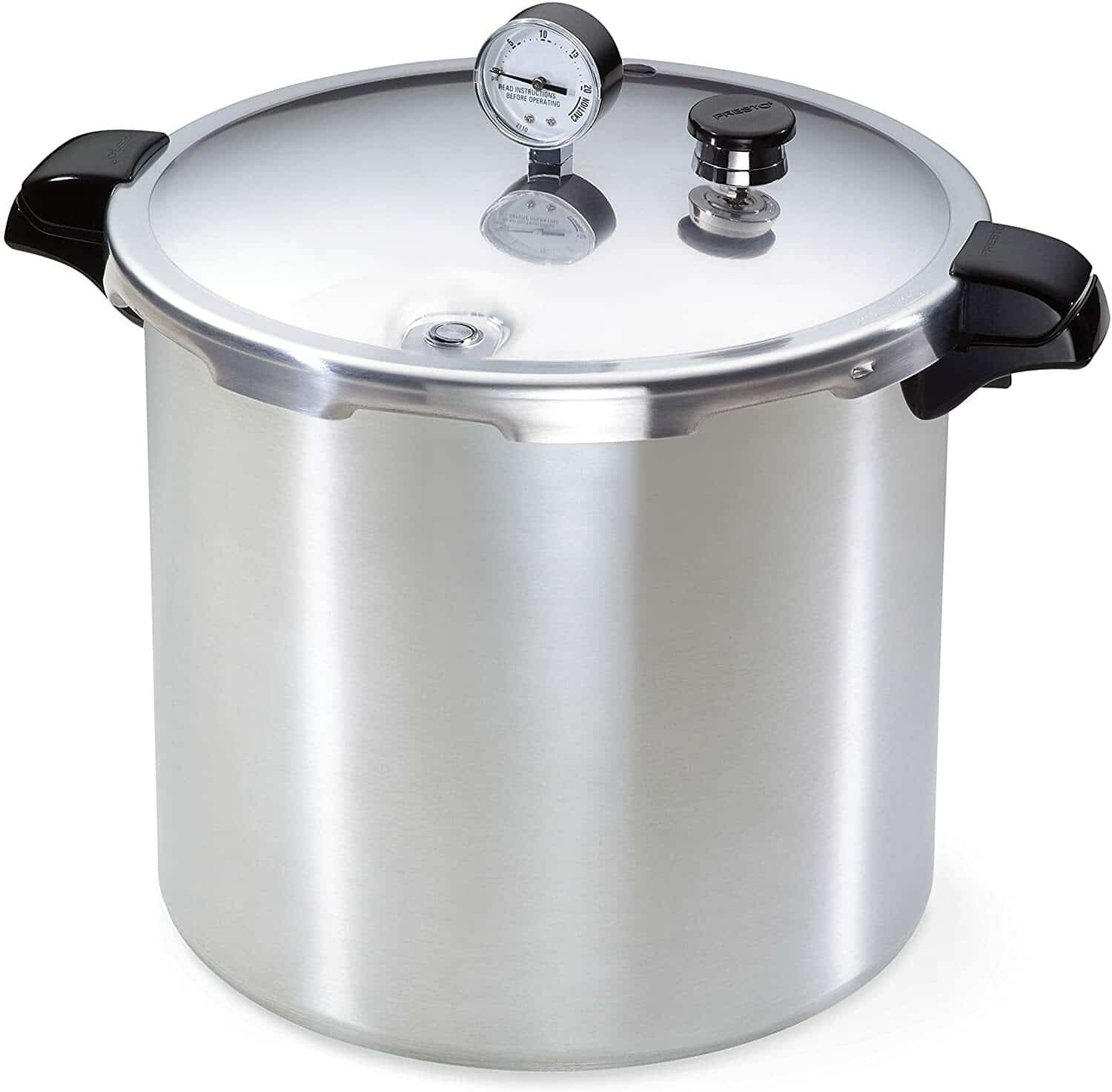
15 PSI pressure cooker
The center of a cultivator's arsenal. A 23-quart, 15 PSI model is preferred; a 10 PSI cooker works but needs 75% more time.
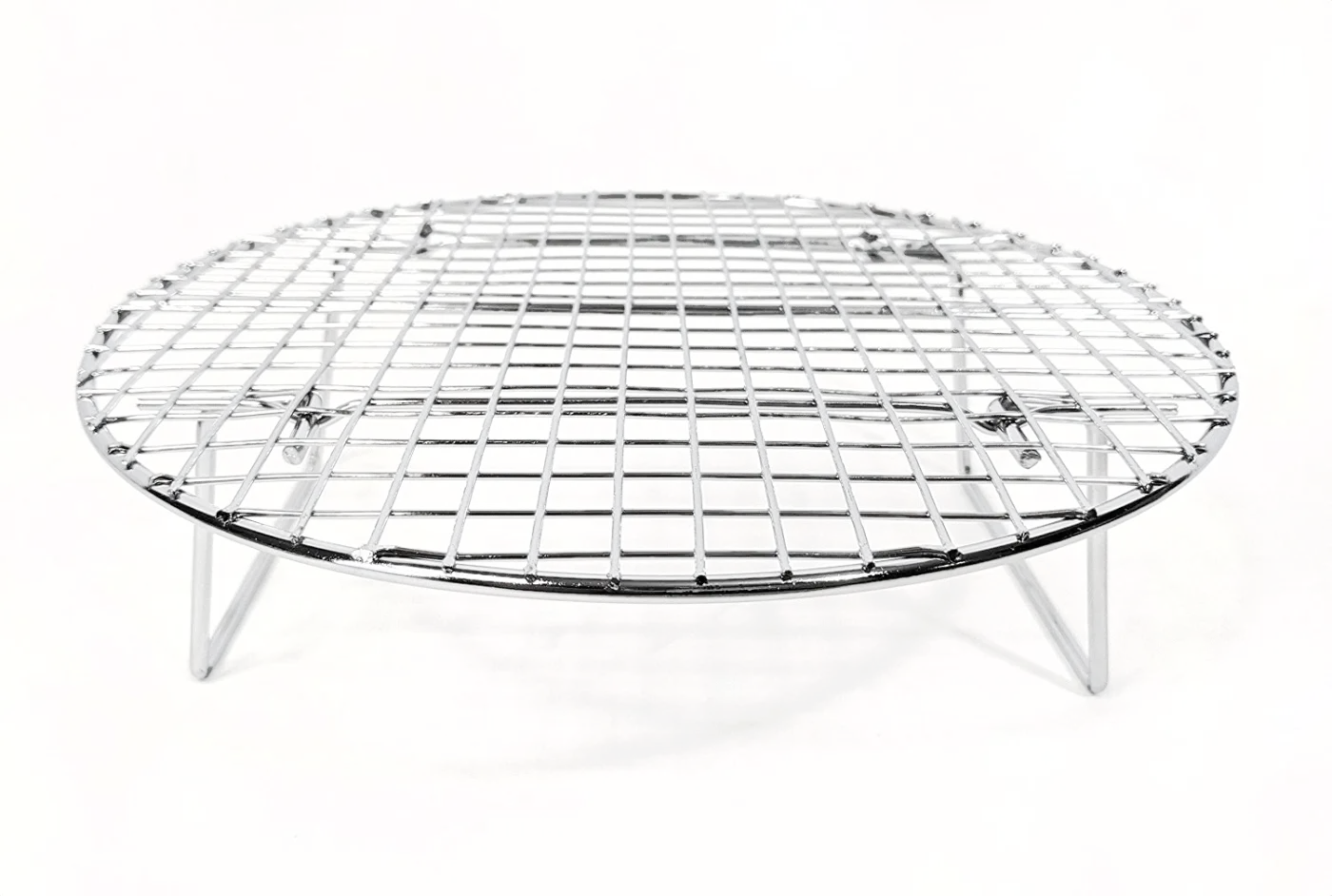
Steaming rack, 3 in height
Lifts items over the waterline and helps you gauge how much water you're adding. Match the size to your cooker.
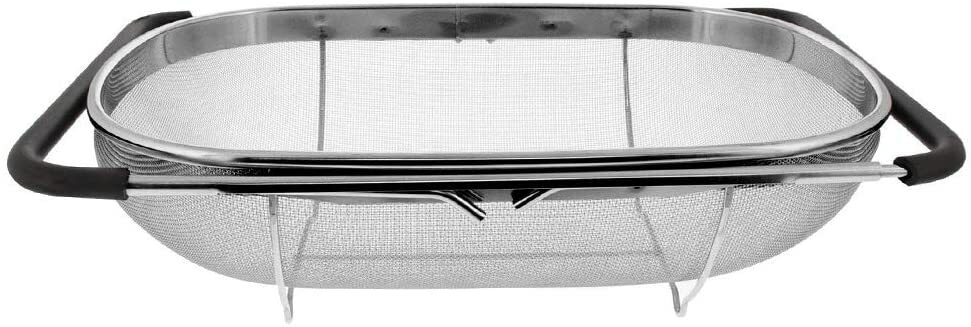
Large strainer
Drains the water from your cooked popcorn. We prefer a larger over-the-sink model.
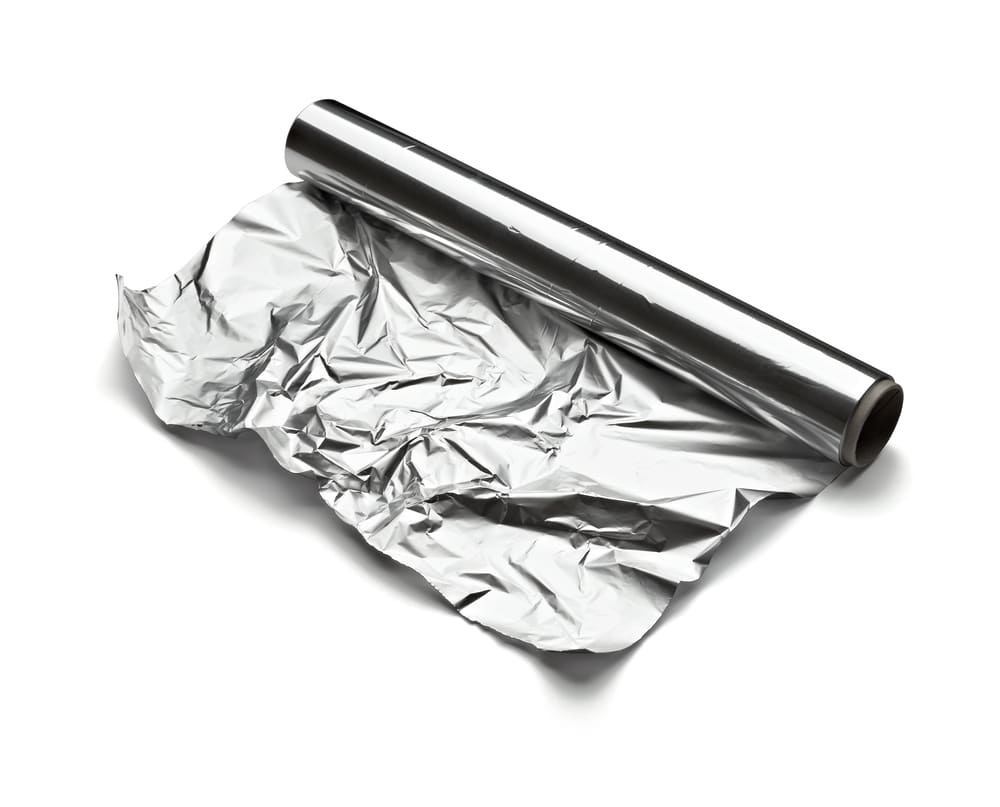
Heavy duty aluminium foil
Covers jars and petri dishes in the pressure cooker, protecting them from dripping water. Treated gently, it can be reused.
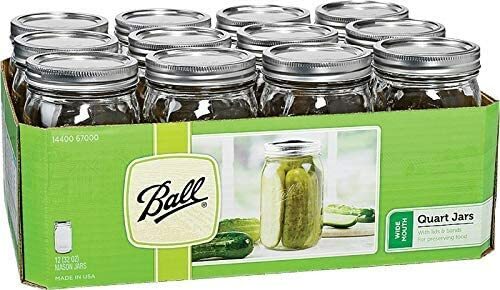
12 mason jars, 1 qt wide mouth
For grain sterilization and liquid culture. Get canning-grade jars that withstand high heat and pressure.
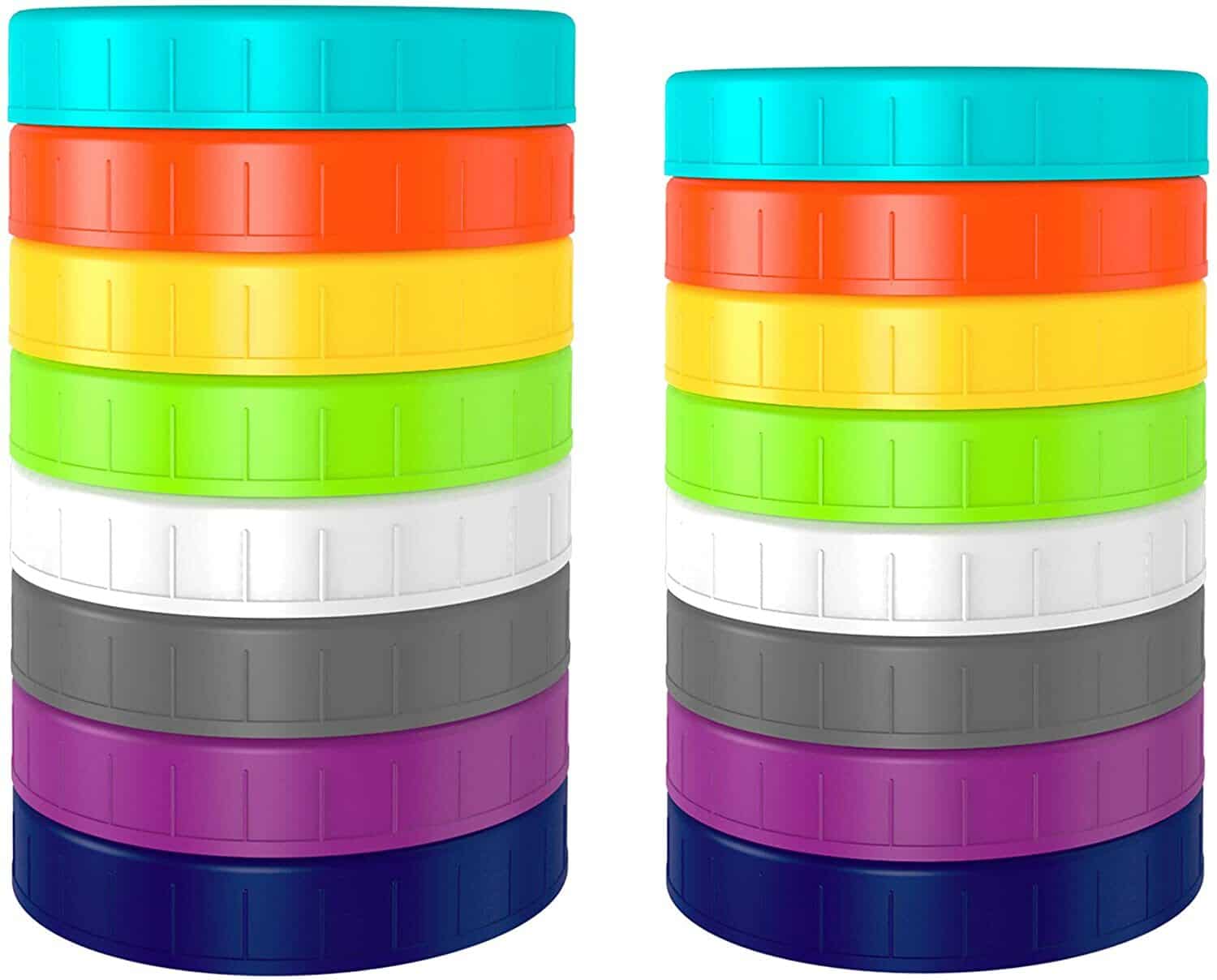
16 plastic mason jar lids, wide mouth
We replace the metal lids with plastic ones and drill holes for a filter and injection port. Check the size matches your jars.
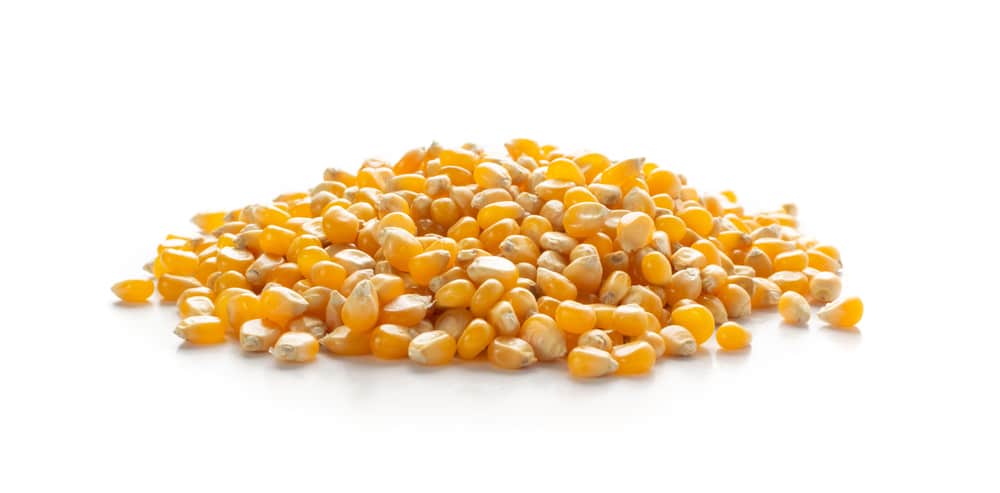
Dry popcorn grain, ~6 lbs
The cheapest, most available food source for mycelium. No microwave popcorn — it contains fats and oils you don't want.
1/8"–1/2" step drill bit
Makes consistent, perfectly sized holes in plastic lids — tight injection ports and clean filter holes keep contamination out.

20 mm mushroom filter stickers
Cover one lid hole to create an air filter — minimal airflow, contaminants out. Replace every 2–3 heat cycles.

20 mm autoclavable injection ports
Plug into a lid hole so you can inoculate through a sterile needle with minimal contamination exposure.

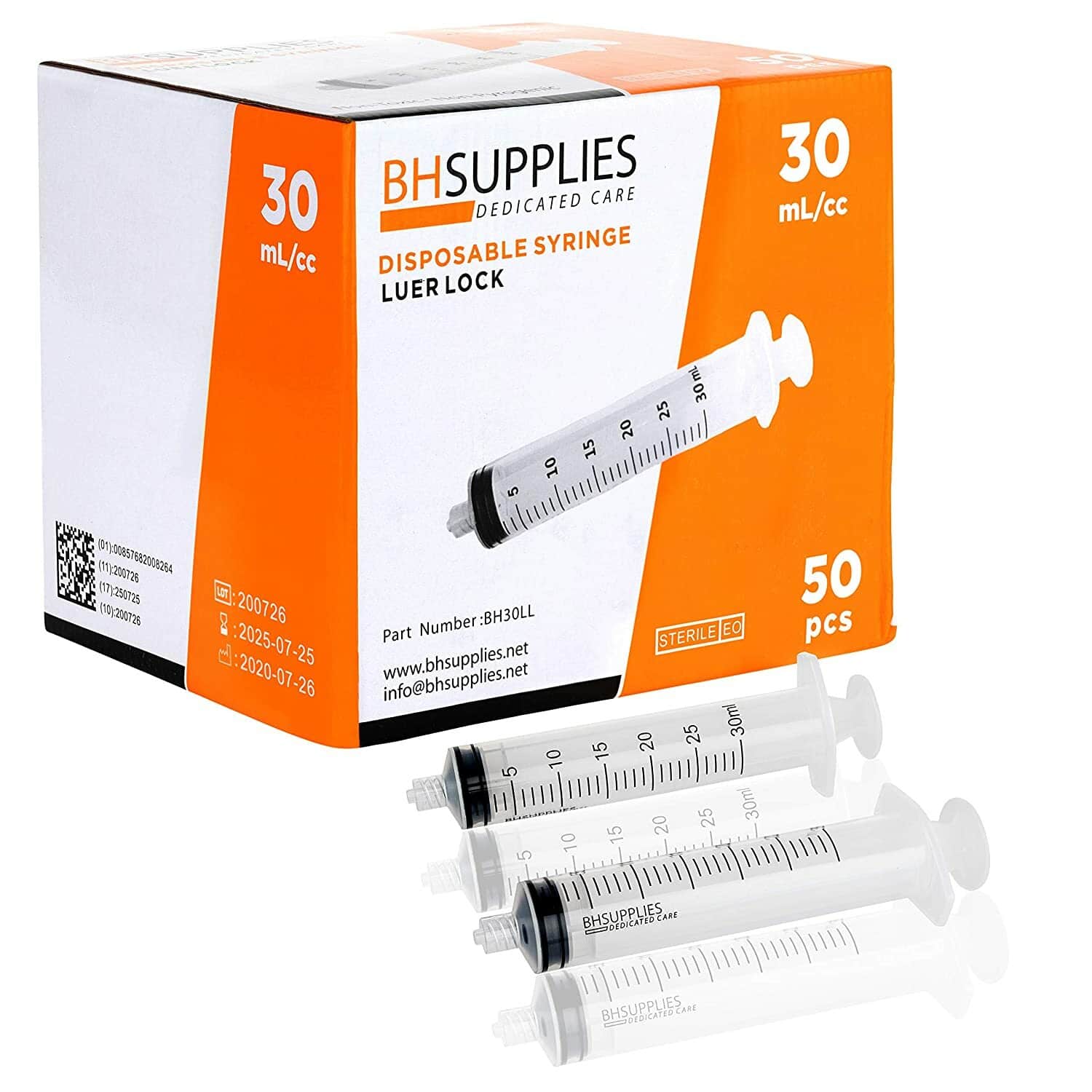
30 ml sterile syringes, 50 pack
For injecting and withdrawing liquid culture. The larger 30 cc capacity moves more LC at a time; re-sterilize to reuse.
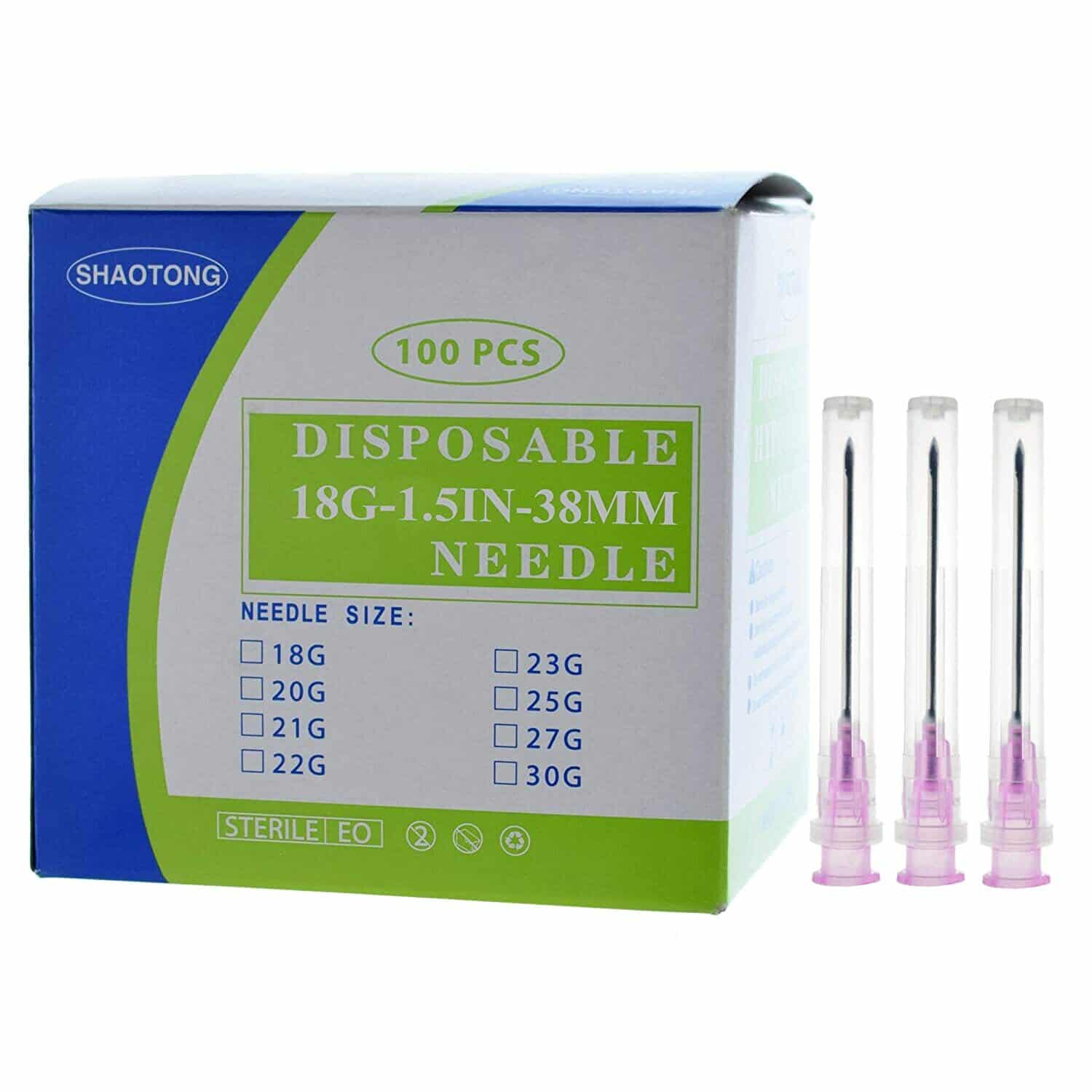
18 gauge sterile needles, 100 pack
For inoculation — injecting liquid mycelium into grain, or spores into petri dishes. Reusable after re-sterilization.
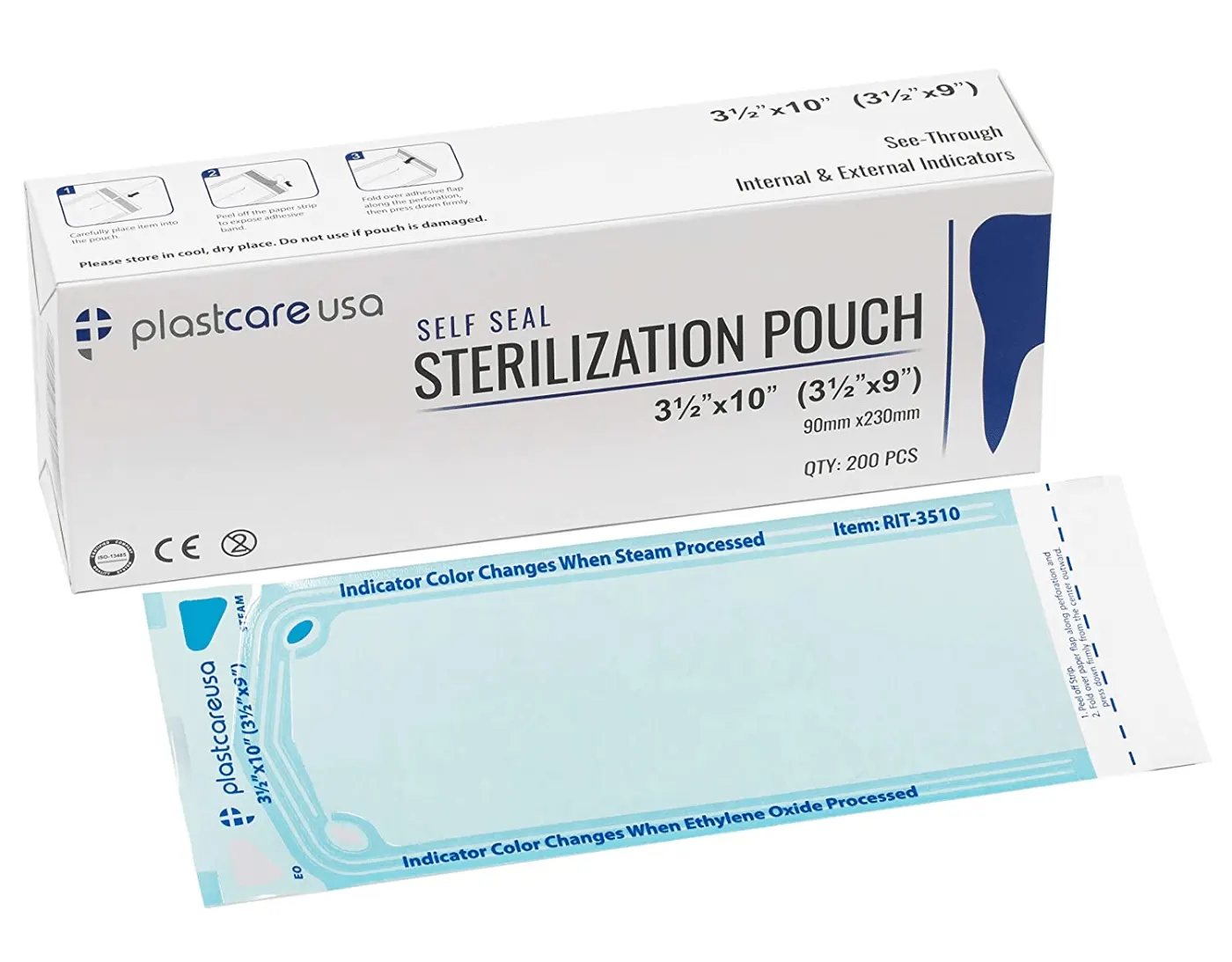
Self-seal sterilization pouches, 3.5″×10″
Sterilize and reuse needles, syringes and blades — saves money and recycles your sharps.
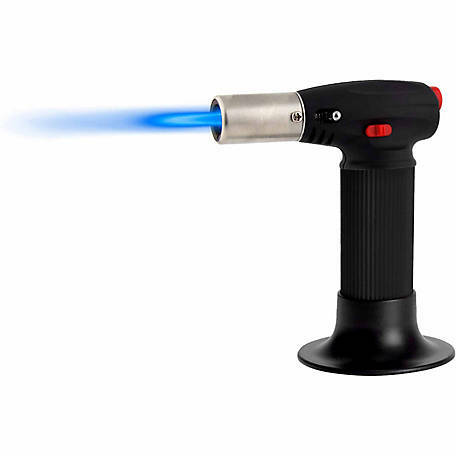
Butane lighter
A quick, hot flame for flame-sterilizing needles and knives — operable with one hand.
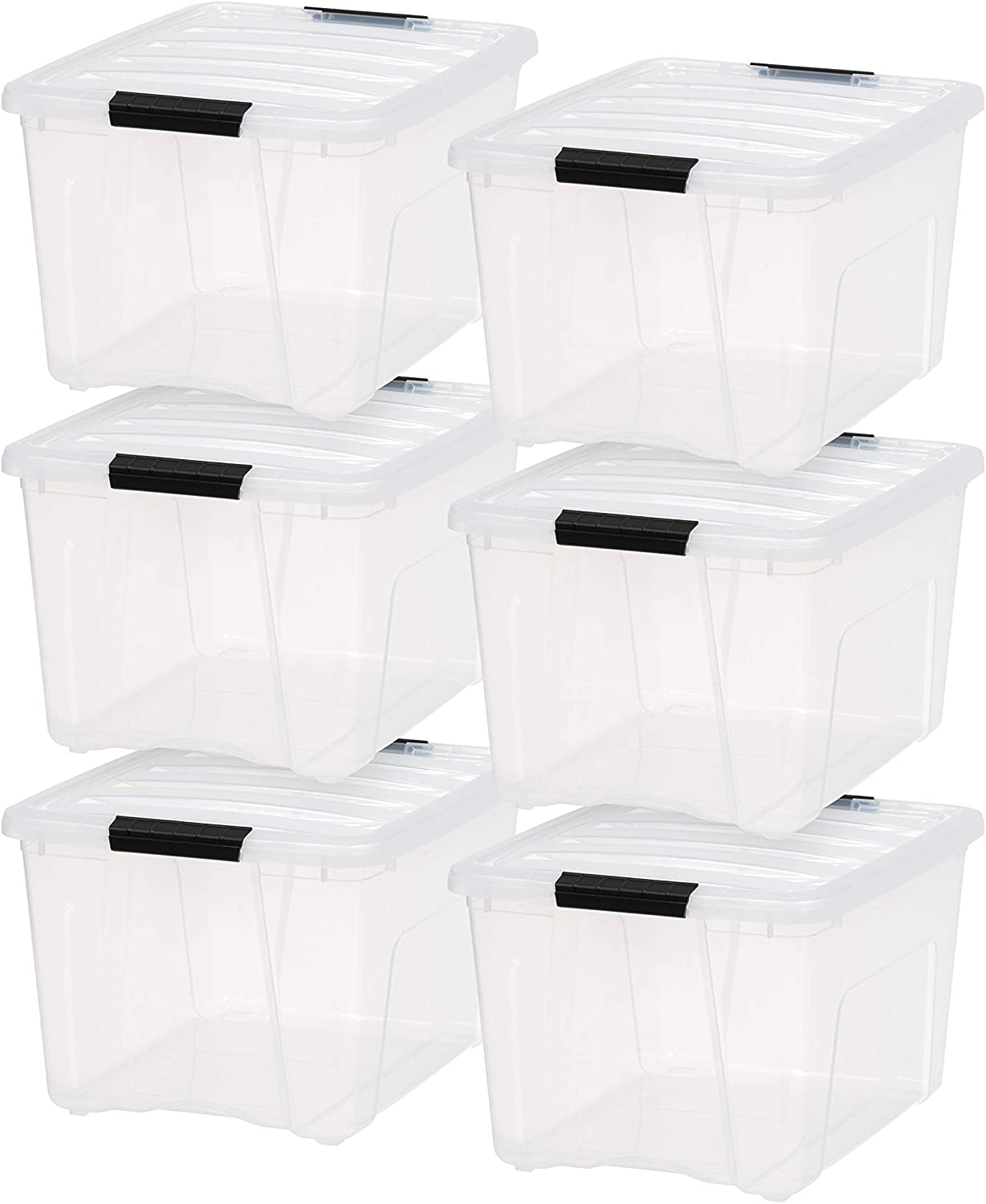
2 clear storage boxes, 30–35 qt
Your monotubs. Splitting the grow across two or three totes gives a better chance of success if contamination hits.
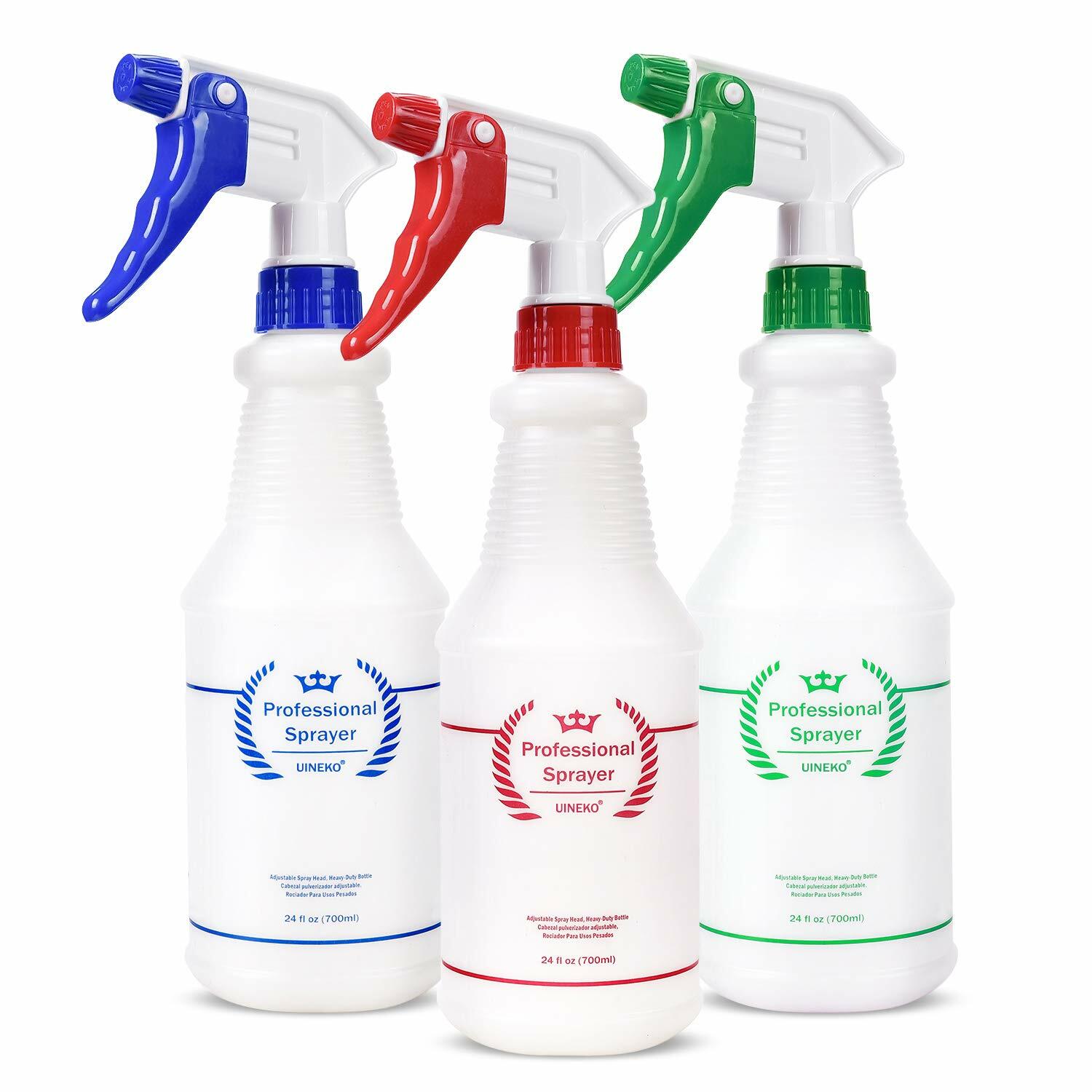
2–3 plastic spray bottles
For alcohol or hydrogen peroxide to disinfect workspaces, tubs and still air boxes — plus one for water.
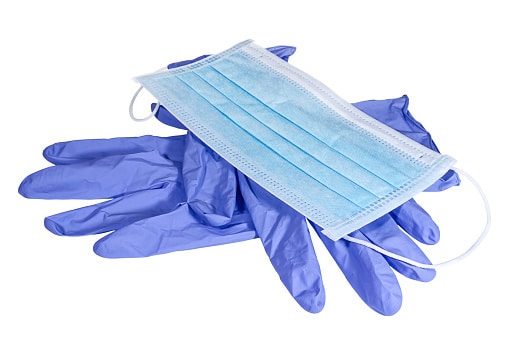
Face mask + nitrile gloves
Minimize contamination vectors coming from your breath, hands, skin and fingernails.
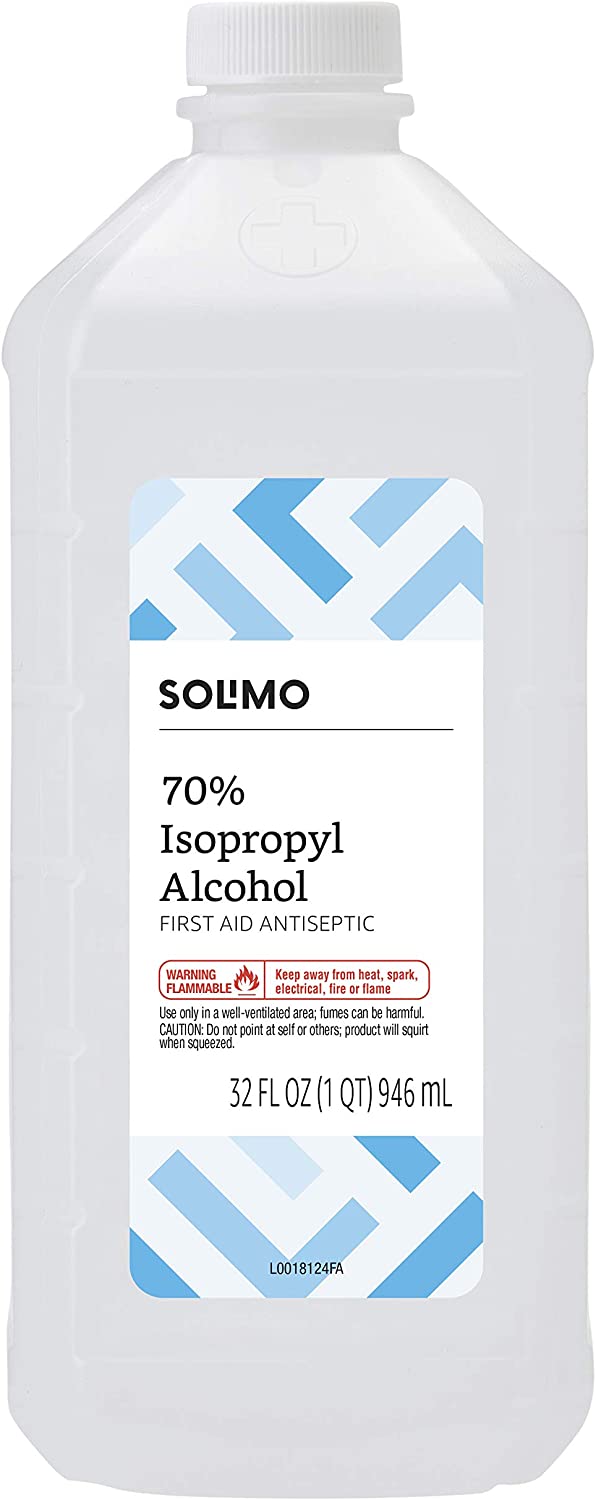
Isopropyl alcohol, 70%
For cleaning your environment, equipment and yourselves. 90% is less effective — it evaporates too quickly.
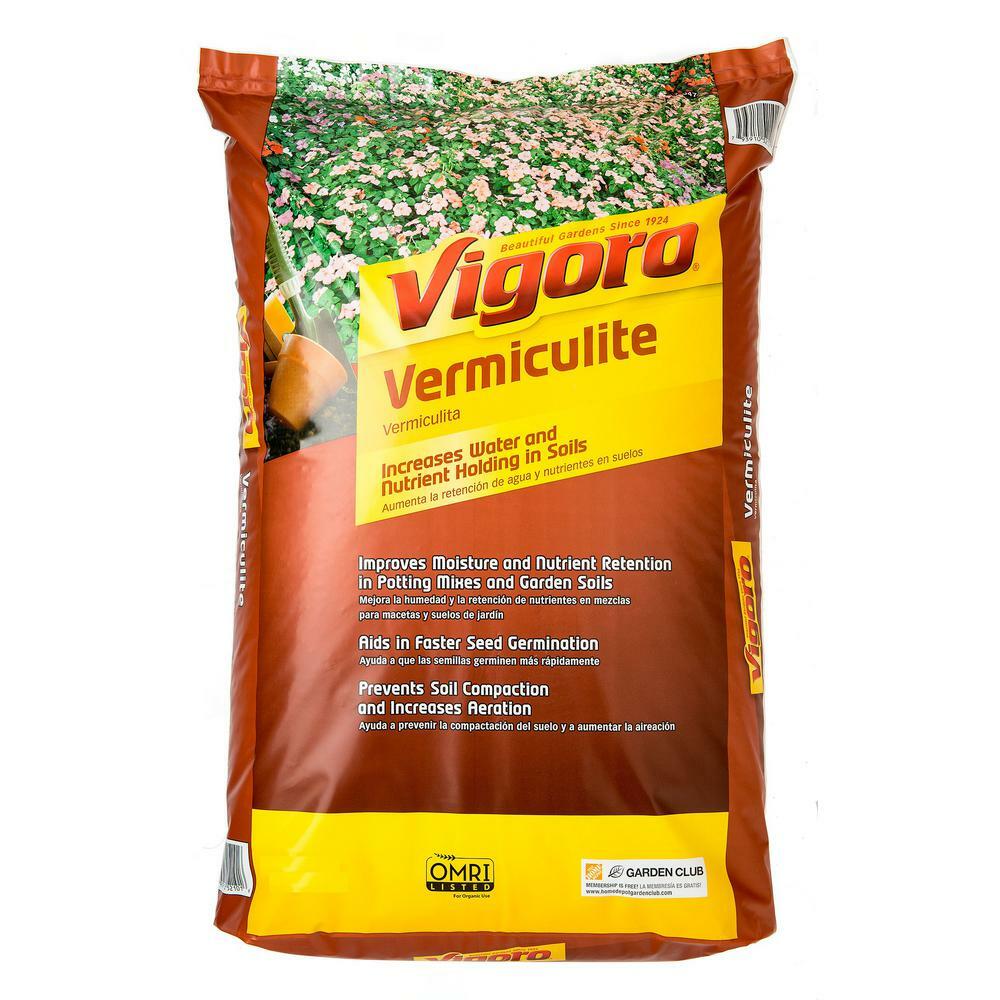
Vermiculite, ~4 qt
A water-absorbing mineral mixed into bulk substrate to store moisture.
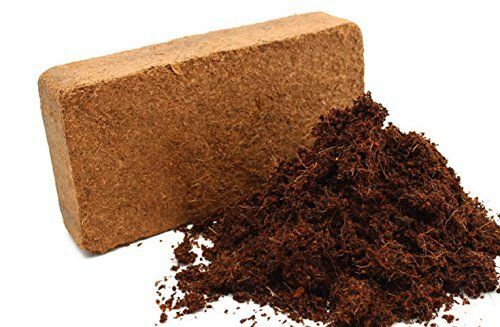
Coco coir, 650 g brick
Pulverized coconut shell — a basic food source that helps the substrate retain moisture.
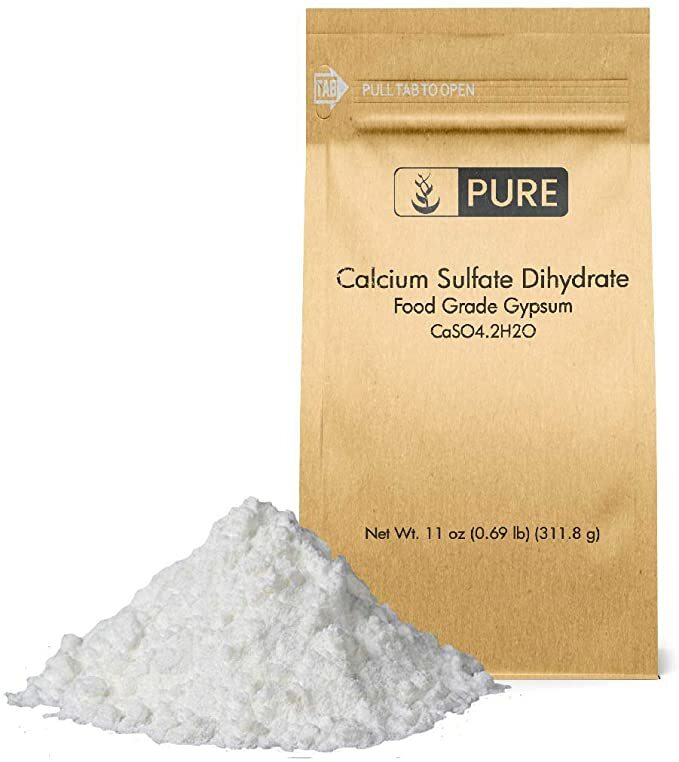
Food grade gypsum powder, ~1/4 cup
Calcium and sulphur additive — makes the mushrooms grow bigger and more potent.
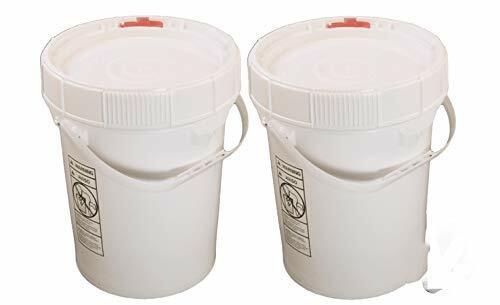
5 gallon food grade bucket
For mixing your bulk substrate — safe for boiling water and food stuffs.
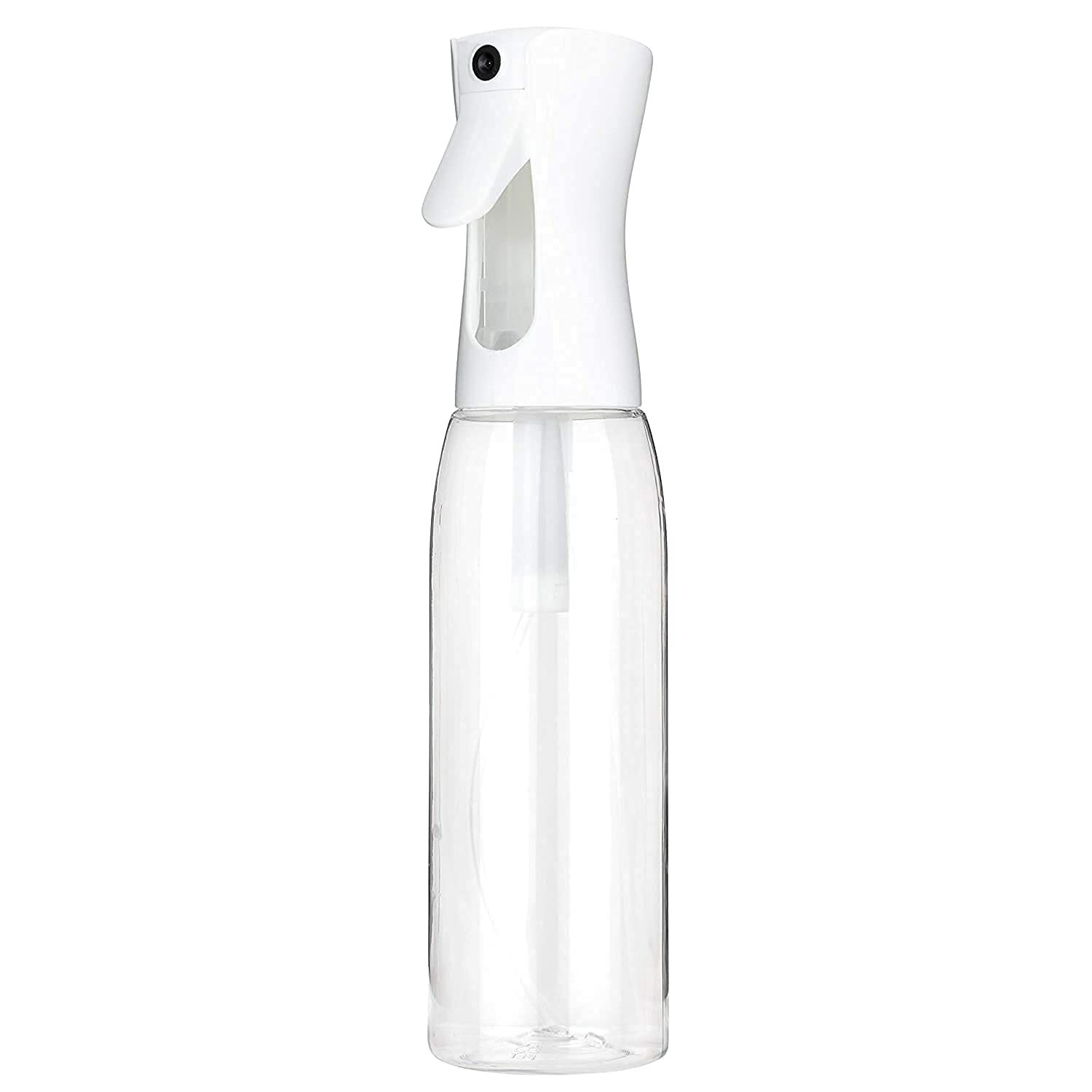
Ultra-fine continuous mist spray bottle
Creates tiny droplets on the mycelium cake during fruiting — better conditions for hyphal knots, pins, then mushrooms.
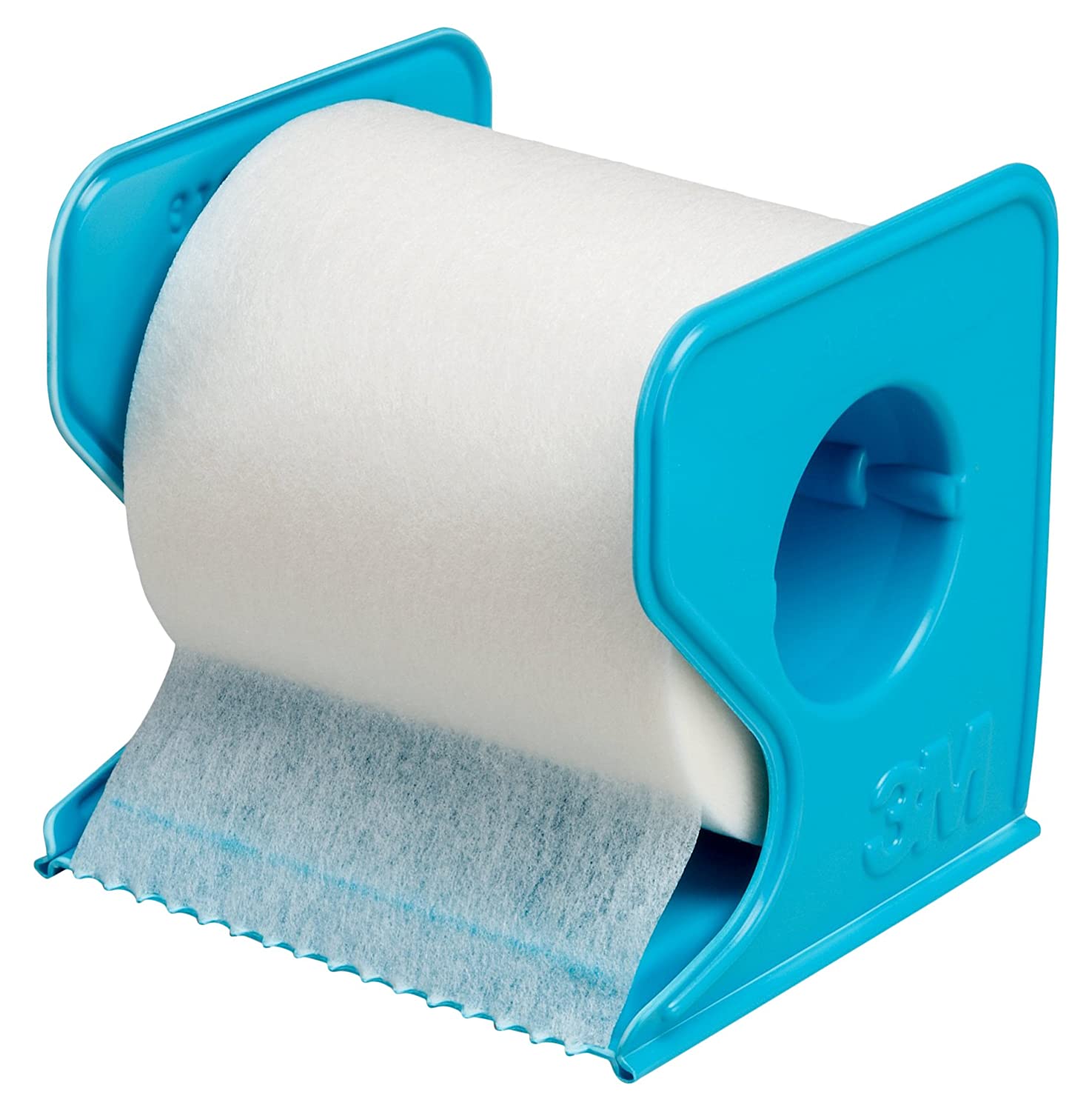
Micropore tape
Covers monotub holes while still allowing airflow — a flat, cleaner profile than polyfill.
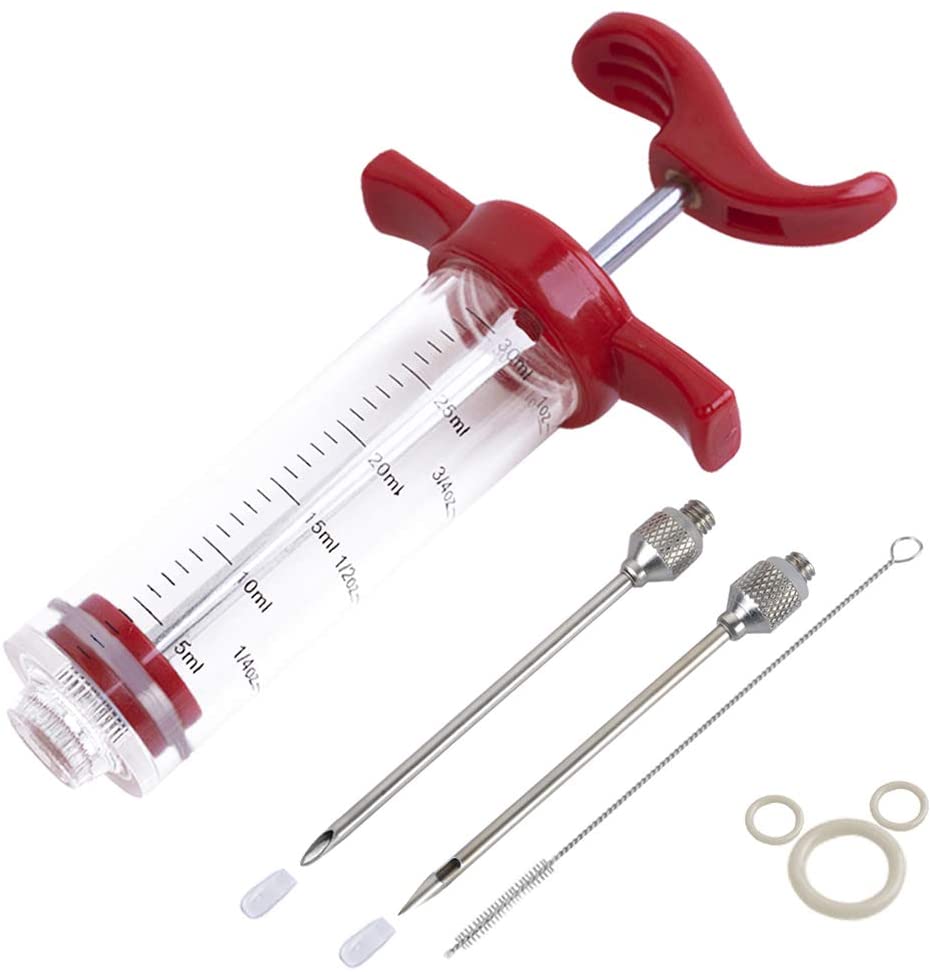
Marinade injector syringe
Our preferred way to rehydrate the mycelium cake after each flush — as opposed to drowning it in water.
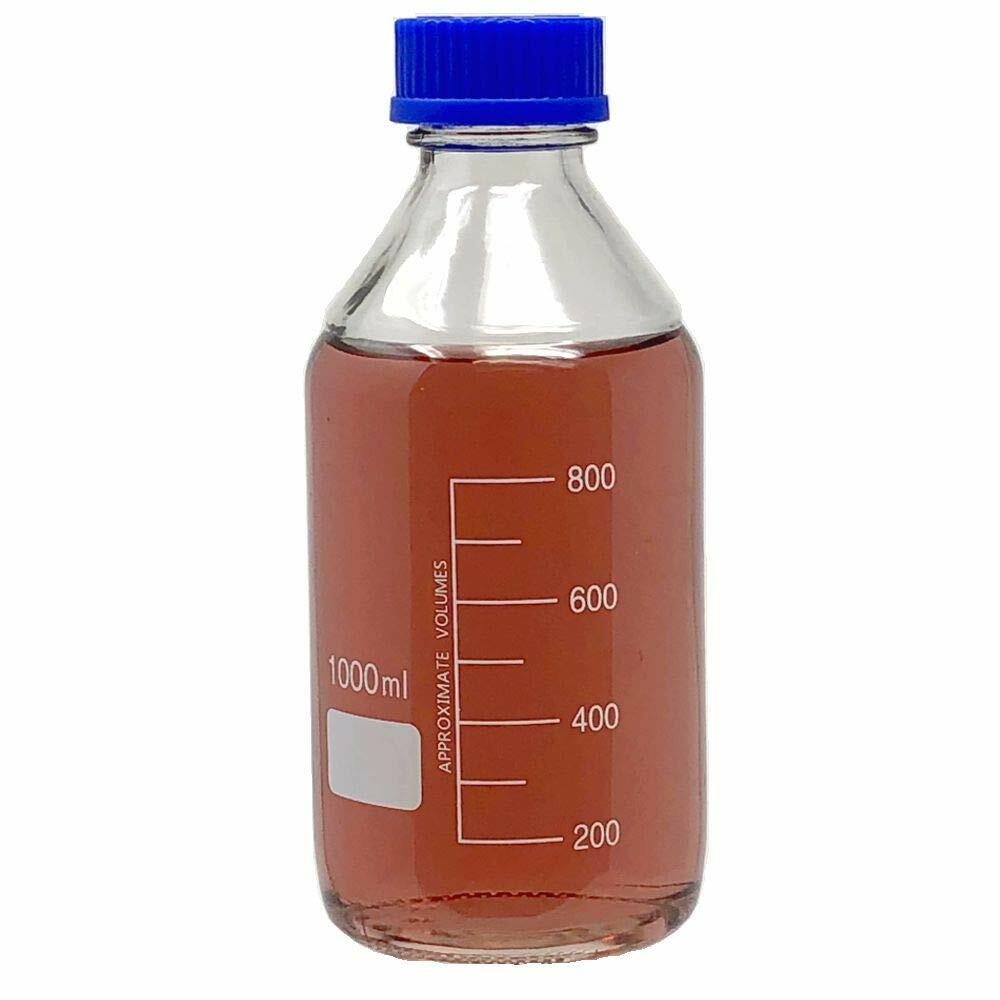
1 L glass media bottle, GL45 cap
Borosilicate glass with an autoclavable cap — cooks and pours 20–30 petri dishes of agar at a time.
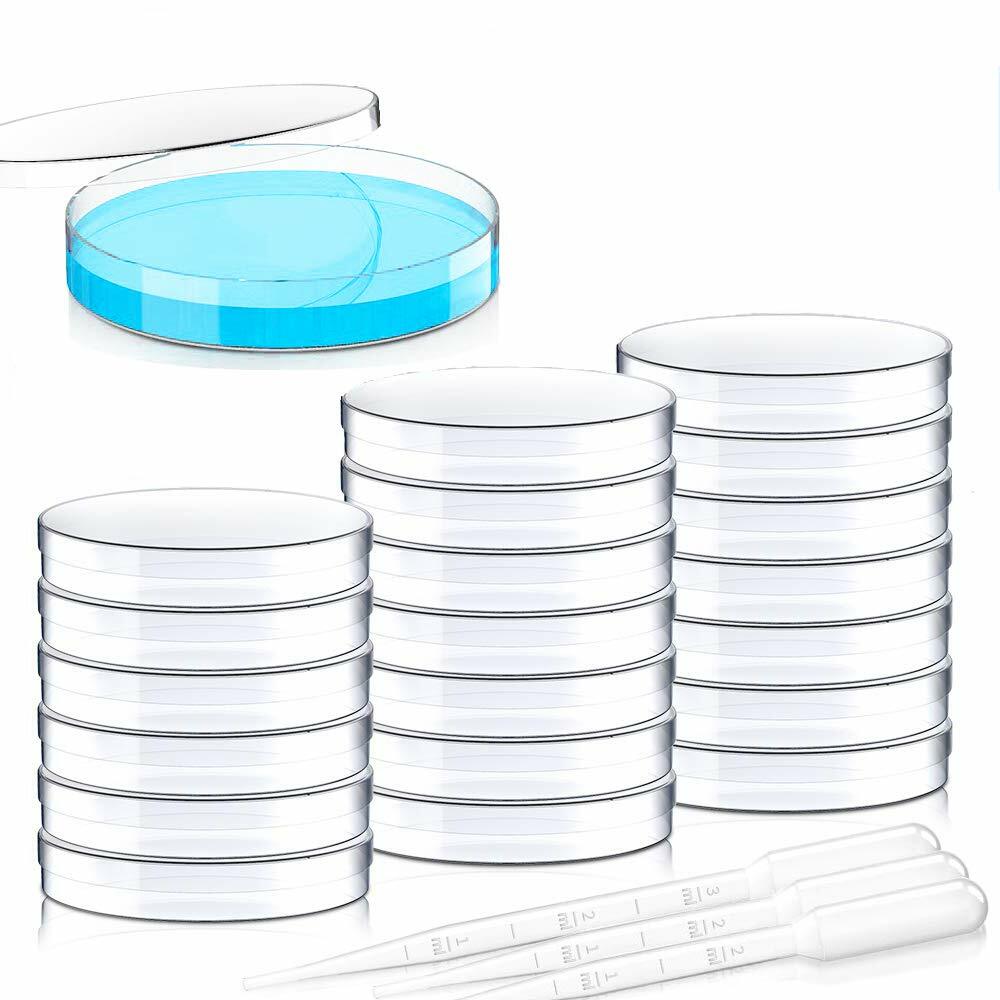
Sterile petri dishes, 20 pack
Single-use dishes are the preferred choice for first-time cultivators; graduate to glass once your clean work improves.
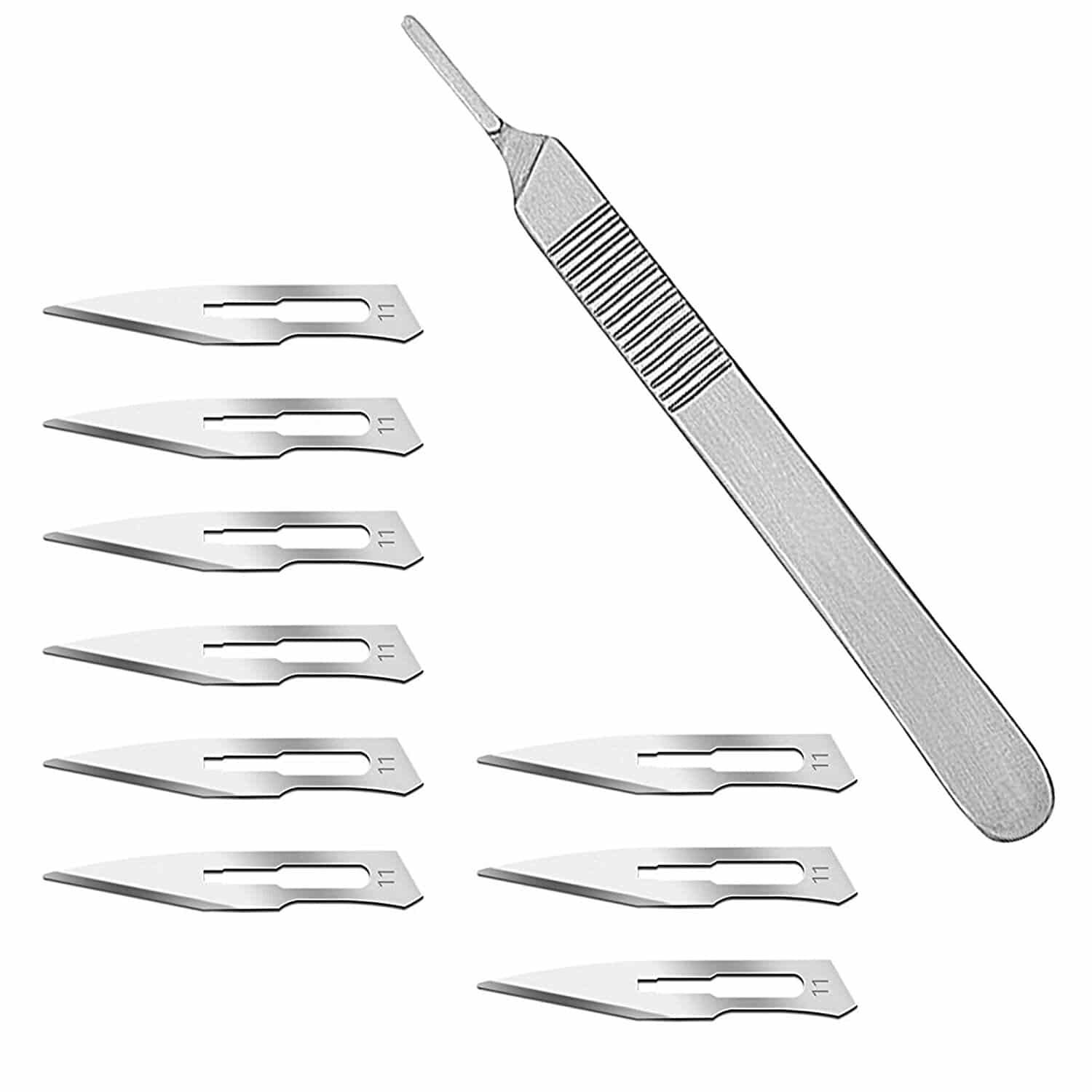
Scalpel + sterile blades
For cleanly cutting colonized agar, scraping spores, or cutting parafilm strips.
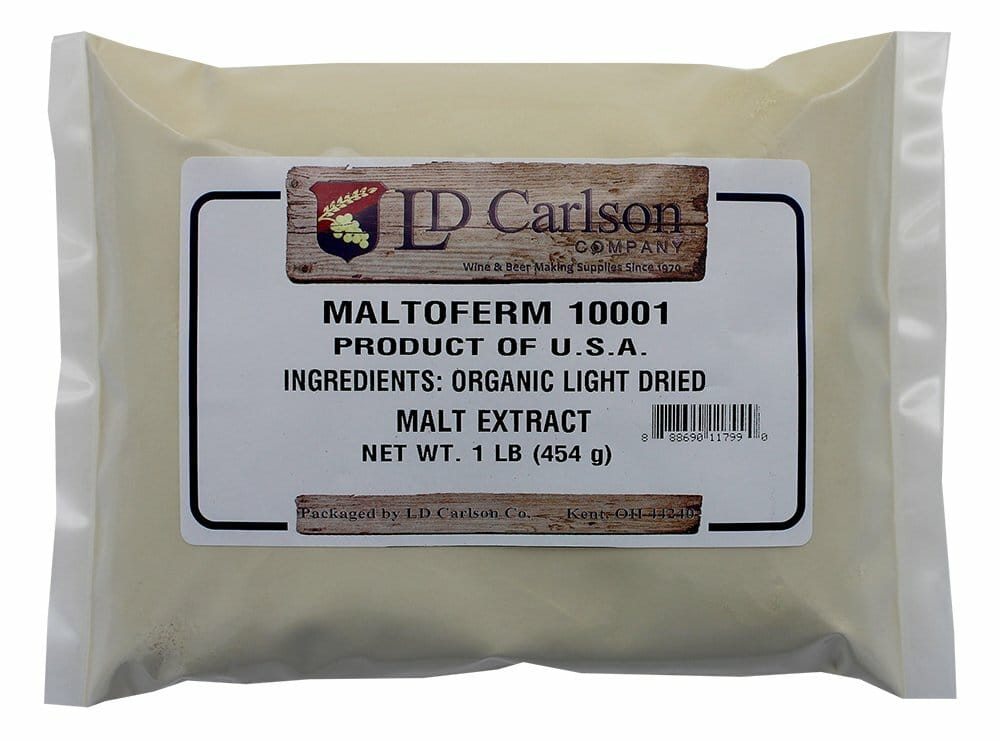
Light malt extract powder (LME)
The preferred food source for liquid culture and agar. Keep it sealed and dry — it hardens fast.
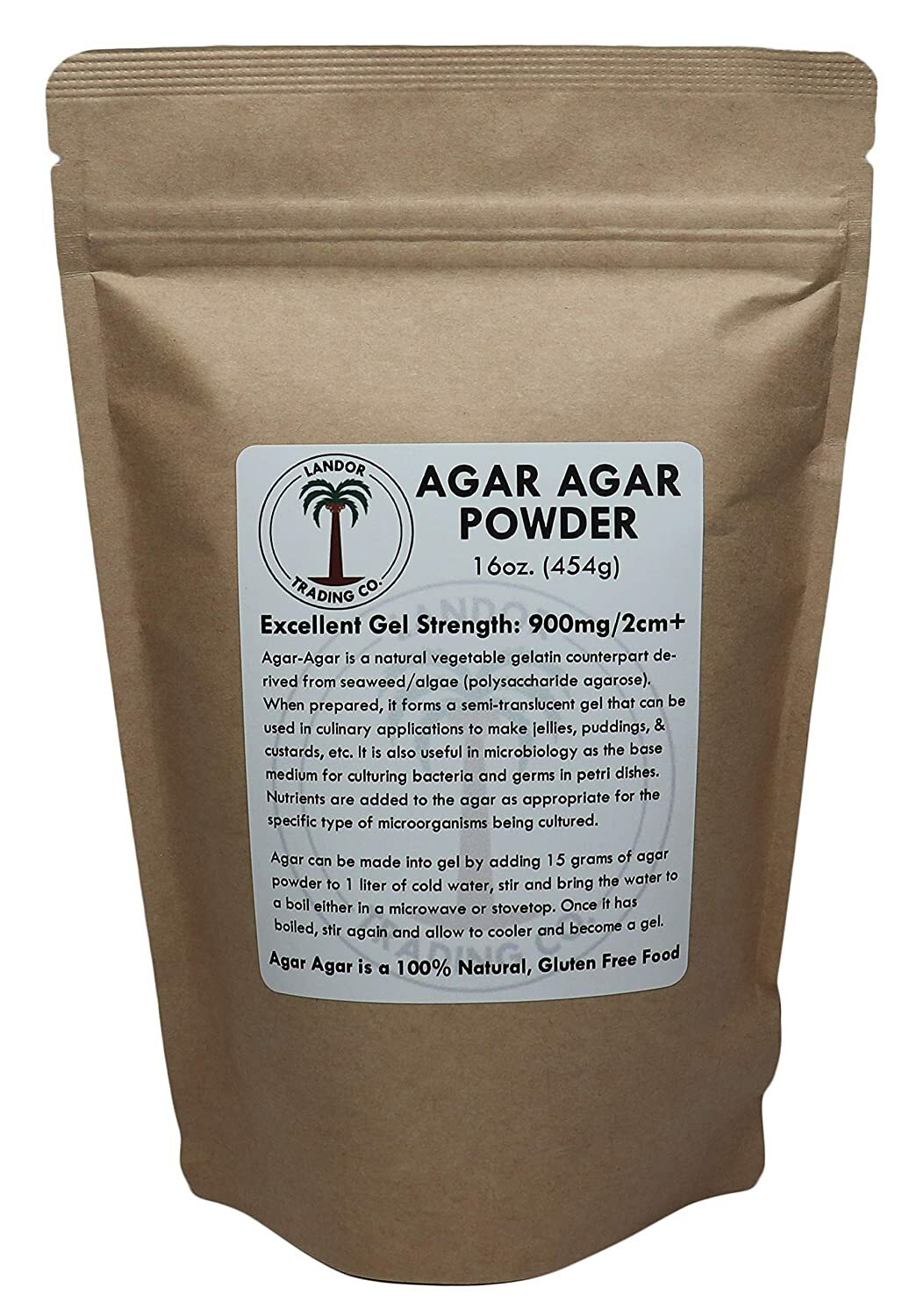
Food grade agar powder, 900 g/cm²
A jelly extracted from algae — mixed with LME it sets into a growth bed for spores and mycelium.
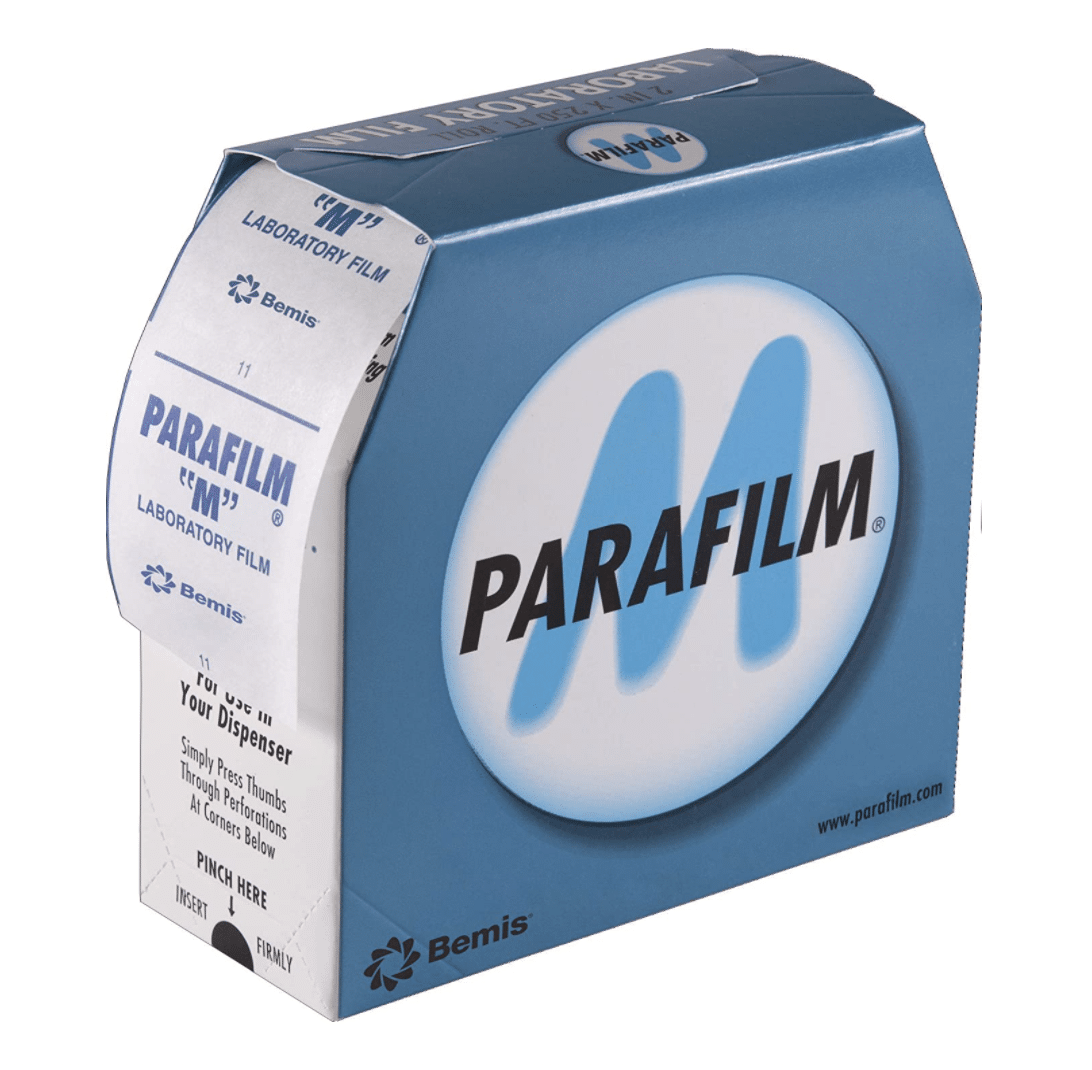
All purpose laboratory parafilm
Wraps and seals petri dishes — keeps contaminants out and secures the lid to its base.
 Bring magic into your life